
Florida, private property
Dead Bird Removal
A bird that dies inside a dryer vent, a soffit or a pool-cage roof needs someone who can take off the vent hood, soffit panel or cage screen and refit it afterwards. A single songbird on the lawn seldom does. FWC asks people to report dead birds through its Avian Mortality app, because those reports feed its surveillance for avian flu, West Nile virus and other diseases.
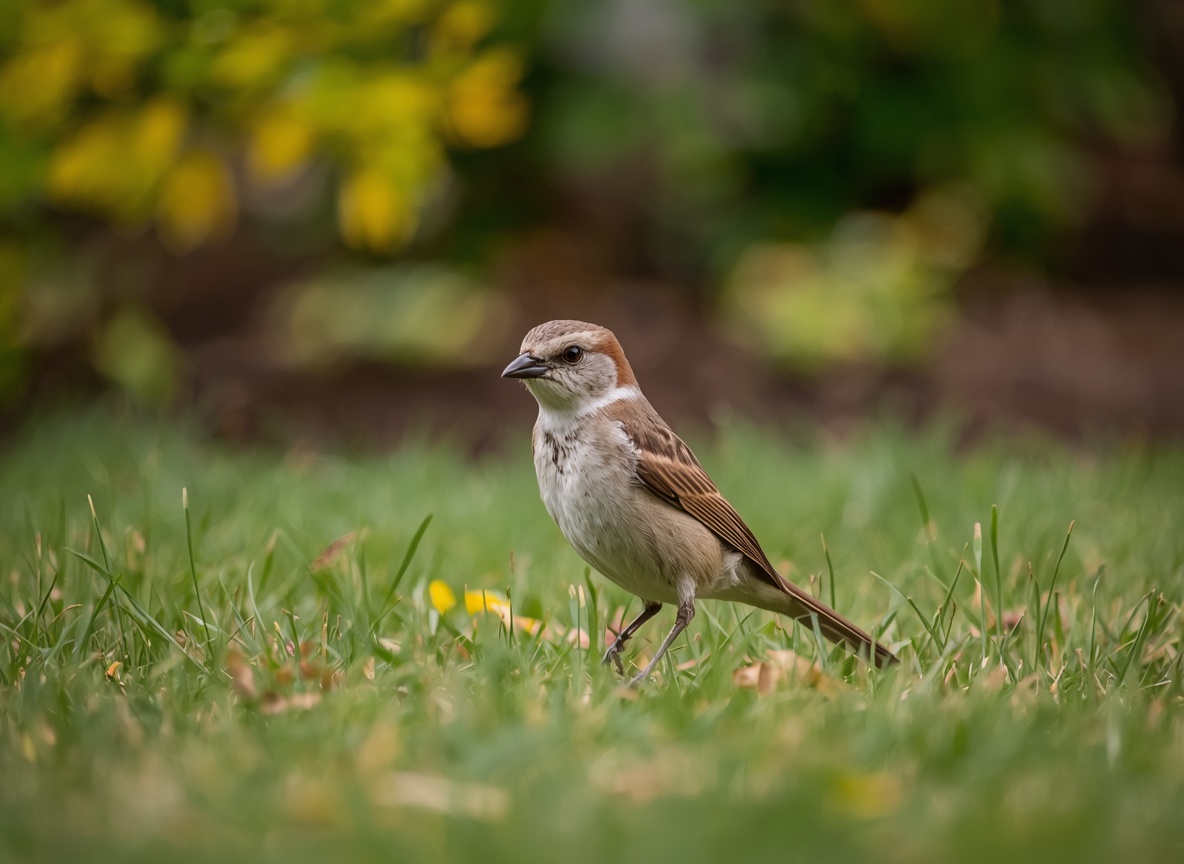
Before you pay anyone. Count them and note the kind. FWC encourages reports of all dead birds and investigates die-offs, and its avian flu updates name black vultures and Muscovy ducks among the Florida birds found carrying the virus. Report before you move anything, and keep pets well back.
What this covers
- A bird dead in a dryer vent, bathroom fan duct or range hood outlet
- One inside a soffit, a gable vent or the attic
- Birds caught in the roof screen of a pool enclosure or lanai
- A dead vulture, heron, duck or other large bird on the lawn or roof
- Several birds in one spot, once FWC has had the report
Where the limit is
A bird sealed in a finished wall, with no vent, soffit or attic route to it, is written up as information in the article on a smell coming from a wall. Live birds, sick or injured ones included, and active nests are outside this service.
A bird can get past the outside flap of a dryer vent and die in the duct. Say whether the dryer has started taking longer to dry and whether you heard anything in the duct, because those two details place it.
How a call goes
- Tell us what kind of bird, how many, and where: open ground, a roof, a vent, a soffit or a pool cage.
- If there are several, or it is a vulture or waterbird, report it through FWC's app first. FWC decides which carcasses it collects for testing, and it does not collect every one.
- One bird on open ground is usually something you can bag yourself with FWC's two-bag method, and we will tell you so.
- For a vent, soffit or pool-cage roof, the call then turns to your address, since calls route by ZIP where an operator covers the address. One who can come names a price, and once you agree, clears the bird and nest material from the duct or void and refits the hood, panel or screen.
Questions about this animal
Should I report one dead bird to FWC?
Yes, if you are willing. FWC says it strongly encourages reports of all dead birds to its mortality database, and the Avian Mortality app lets you add a photo when you cannot name the species. FWC biologists review every report, but a report does not mean anyone is coming to collect the bird.
Can I pick it up myself?
FWC's published method is to lift it with disposable gloves, or plastic bags over your hands, keep the bag's open end away from your face, and double-bag it. Work outdoors, upwind if you can, and do not eat, drink or smoke while you do it. Never keep it in a freezer or fridge used for food. Whether the bag can go in your cart depends on your county.
Can a dead wild bird make my pets sick?
FWC calls avian flu spreading to pets possible but very rare, and advises keeping dogs, cats and pet birds away from sick or dead wild birds. If you keep backyard chickens, FWC also says to keep wild birds away from the flock and not to hang feeders near the coop.
What should I do about a dead vulture on my roof?
FWC's updates have named black vultures as the species most commonly diagnosed with avian flu in Florida, and it has recorded vultures at roosts feeding on other infected vulture carcasses. Report it through the app, keep people and pets clear of where it may fall, and do not climb onto the roof after it.
What about a sick bird that is still alive?
That is a job for a wildlife rehabilitator; FWC keeps a list of them by county. Some will say no, because FWC's avian flu page notes that most rehabilitation facilities in affected areas are not taking sick waterfowl, waterbirds, raptors or scavengers such as vultures, gulls and crows. Keep it away from pets and backyard poultry, and do not bring it indoors.
A bird died in my dryer vent. Can I still run the dryer?
Stop using it until the duct is clear. A blocked vent holds back heat and lint, and the bird and its nest are part of the blockage. Clearing it usually means taking off the outside hood and working back along the duct, sometimes from the dryer end as well.
Not sure this is the right page? Who removes a dead animal in Florida works through the public and private split, and the county pages give the published position where you live.