
Florida, private property
Dead Raccoon Removal
The Florida Department of Health names raccoons and bats as the state's main wildlife sources of rabies, and FWC puts most adult raccoons at 8 to 15 pounds. A raccoon dead on the lawn is a small job. The same animal in attic insulation, a soffit void or behind mobile-home skirting takes more reaching, and that access sets most of what the visit involves.
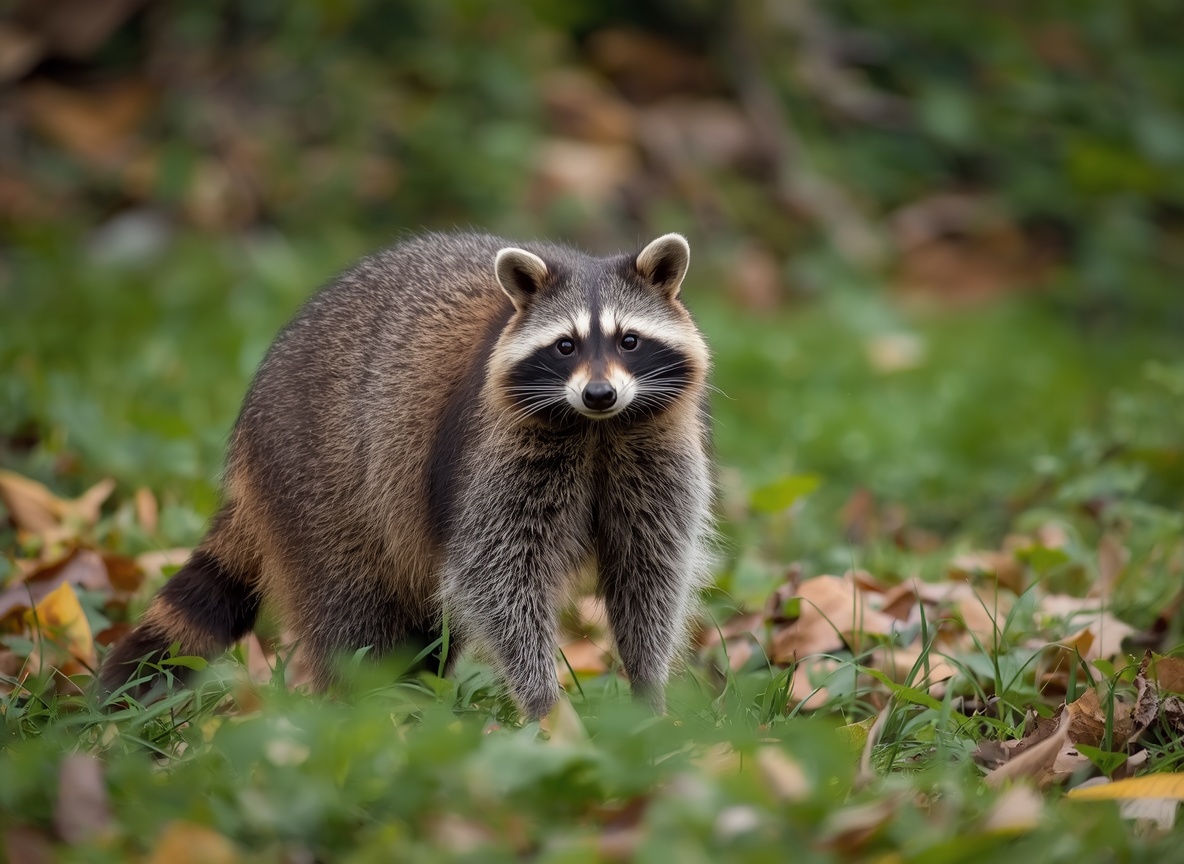
Before you pay anyone. Find out whether anyone touched it. If a person or pet was bitten or scratched, FWC says to get medical or veterinary care and call your county health department at once; a dog that mouthed it is worth a call to your vet too. Leave the carcass alone, head intact, until they say whether they want it tested.
What this covers
- A raccoon dead on a lawn, patio, pool deck or inside a screen enclosure
- One lying in attic insulation, or in a soffit void that opens from outside
- Under a raised deck, porch steps or mobile-home skirting
- A crawl space with a hatch, or the gap beneath a shed
- Several raccoons found dead in one area, which FWC wants to hear about as well
Where the limit is
A raccoon on the street belongs with the road owner, and several Florida cities publish a line for that. One sealed inside a finished wall, with no route in from the attic or a crawl space, is something this site does not sell; the article on a smell coming from a wall covers it.
UF/IFAS lists attics, crawl spaces, decks, sheds and the space beneath mobile homes among the places Florida raccoons den when tree cavities are scarce. Say where the flies or the smell are strongest, and whether there is a hatch, a soffit panel or skirting that comes away, because those details tell an operator how the raccoon will be reached.
How a call goes
- First, whether any person or pet had contact. If so, the county health department comes ahead of any removal, and we point you to it.
- Then where it is: on the street, in the open on your lot, under something, or up in the roof space. The street goes to the road owner; on your lot it is either a simple lift or an access job.
- On private property, calls route by ZIP where an operator covers the address, so we take the address and check.
- If an operator takes it on, the price is agreed first, then the raccoon comes out with any soiled insulation or bedding, and the operator tells you where it goes.
Questions about this animal
My dog had the dead raccoon in its mouth. What now?
The Department of Health's advice for a pet that has tangled with a wild animal is to wear gloves before looking it over, wash its coat with soap and water to remove saliva, and keep it away from other animals and people. Then call your vet and the county health department, and keep the raccoon until they tell you whether they want it tested.
Will FWC come and collect a dead raccoon?
Usually not. FWC takes reports of raccoons sick or dead of unknown causes by email to WildlifeHealthTeam@MyFWC.com, tests samples from larger die-offs, and says it cannot respond to every report. Some county animal services respond to sick raccoons. A single dead raccoon on your land stays yours to arrange.
Can I bag it and put it out with the trash?
FWC's own advice for a dead raccoon is to avoid touching it, lift it with a shovel, and either bury it or double-bag it for household trash, then wash well and disinfect the shovel in a 10% bleach solution. Your county may disagree. Miami-Dade tells residents a dead animal should never go in the regular green garbage cart or the blue recycling bin, so check the local rule before the bag goes out.
Does Florida law say what I have to do with a dead raccoon?
Not directly. Florida Statutes section 823.041 governs domestic animals, and the definition in subsection (4) is about farm stock, dogs, cats and poultry. A wild raccoon is outside it, which leaves county ordinances and your hauler's rules.
Why are raccoons dying around my street?
UF/IFAS notes that both distemper and rabies kill raccoons, and that when a local population gets too dense an outbreak can run through it and reach unvaccinated pets. FWC asks how many you have seen, where, for how long and how they behaved. Nobody can name the cause over the phone, and a cluster like this is a good reason to check that your pets' rabies and distemper shots are current.
It is on the road outside the house. Who do I call?
The road owner. In Collier County that means the Road Maintenance Division, (239) 252-8924, which handles dead wildlife on the county's public roads. Inside Tampa city limits, 813-274-8811 is the line for a small carcass on a city street. Other cities publish their own numbers, and the county pages here list them.
Not sure this is the right page? Who removes a dead animal in Florida works through the public and private split, and the county pages give the published position where you live.